
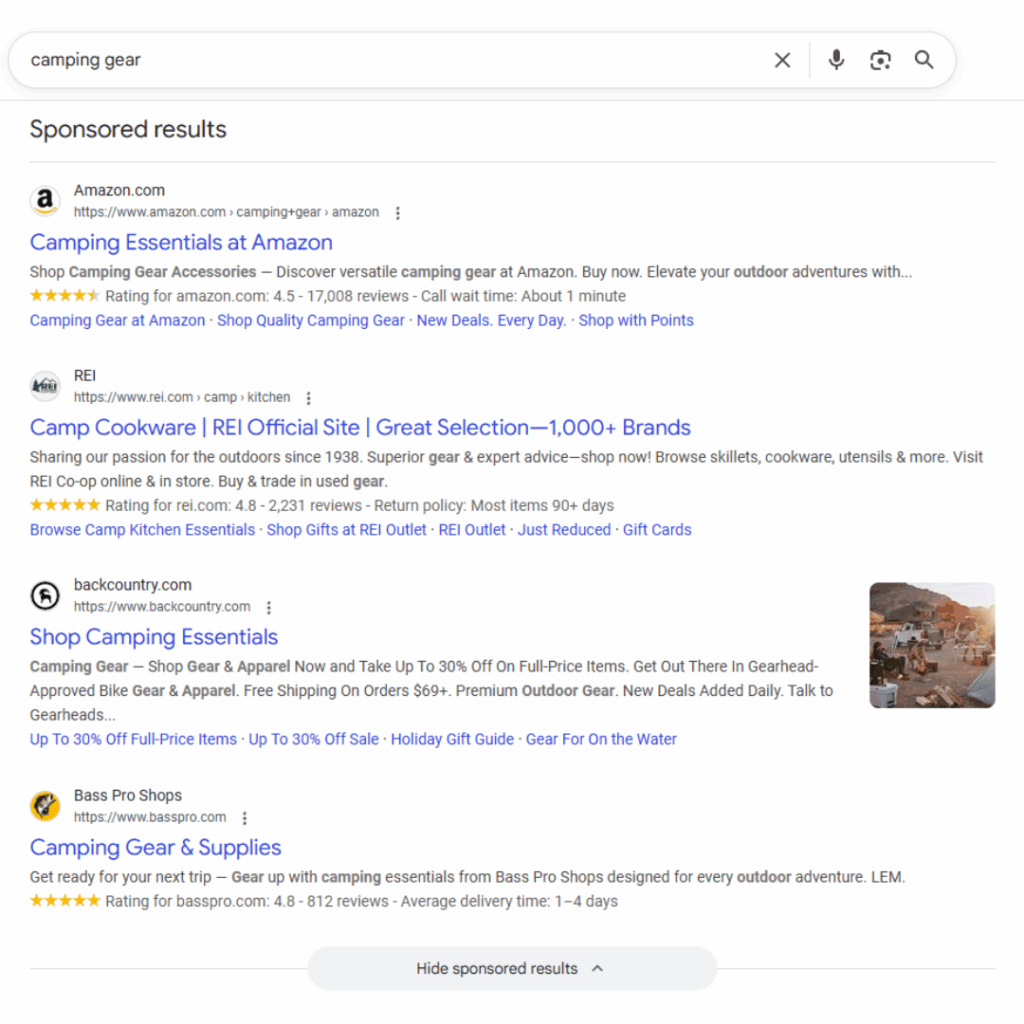
In mid-October, Google announced a major update to paid search ad appearance in the SERPs. Text ads, which were individually labeled as “Sponsored” results previously, are now grouped together under a single “Sponsored results” label.
Google Ads VP of Product Management, Omkar Muralidharan, stated that this update is intended to make navigation easier for users, but it may also cause big impacts to performance for digital marketers. The new grouped ad labels make it harder to differentiate between paid and organic listings, which could change how users understand and engage with paid content.
Visual Differences in Text Ad Labels
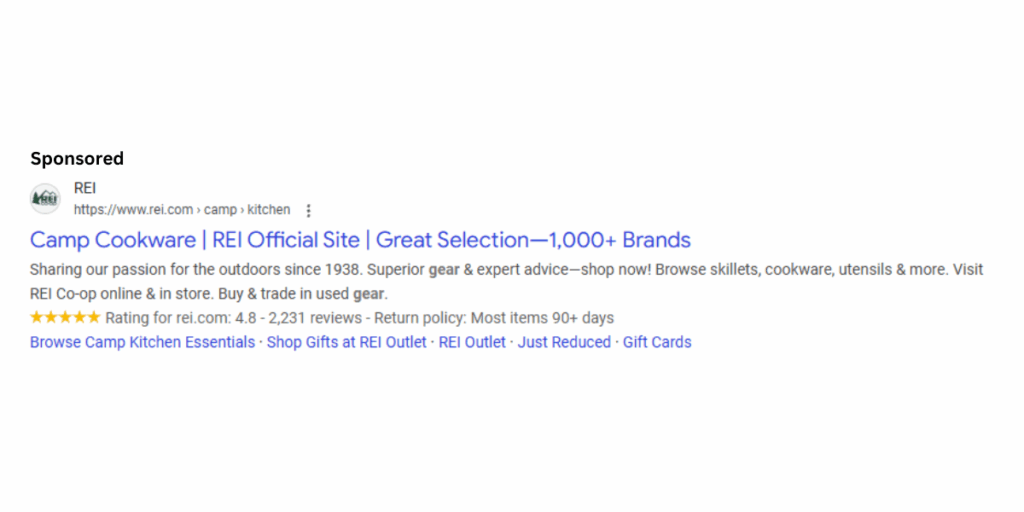
According to Google Ads documentation, Google Ads Quality Score is a diagnostic tool designed to help advertisers understand how their ad Here’s an example of how text ads looked before and after the update:
Before: Individually labeled Sponsored result
After: Grouped Sponsored results label
Impacts for Marketers
Since individual text ads now look more like organic listings, and grouped ads take up even more space on the SERPs, digital marketers may notice changes to their traffic sources beginning around October 13th. Review your clicks by channel over time, looking for any dips in organic traffic and corresponding increases in paid ad traffic.
Our tips for success? Ensure that your landing pages are hyper-relevant and optimized for Quality Scores to maximize your campaign ROI. Additionally, don’t ditch SEO best practices –ever-changing (and increasingly crowded) SERP layouts make it even more important to rank in the top organic positions to maintain the edge over the competition.
Stay on Top of Digital Landscape Changes
It can be difficult to keep up with shifting landscapes and near-constant updates. Partner with an agency that keeps you up to date with the latest search news and adapts digital strategy to meet new challenges head-on. Contact the experts at ROI Revolution today to learn more about our paid search and website optimization capabilities.