As marketing has evolved over the years, we’ve seen the introduction of digital channels, starting with banner ads and basic search marketing in the 1990s and advancing to connected TV (CTV) ads on streaming platforms in recent years. From search engines to social media, the number of places your brand can be seen has grown exponentially. Are you making the most of these channels, or is your marketing fragmented and in need of streamlining?
For years, the multichannel marketing approach was touted as the key to improving brand recognition and revenue, but as consumer expectations evolve, omnichannel marketing is becoming essential for ecommerce success. So, what’s the difference between the two and which is best for your business? Let’s break it down.
Multichannel Marketing: Many Channels, Many Messages
In multichannel marketing, a business uses many channels (organic search, paid search, social, email, etc.) to reach customers, but each channel operates independently and with its own budget and goals. The shopping experience is often different across channels. Brand messaging may shift to match each channel as well. For example, a highly technical software brand may use more formal language on its website and in emails, but come across as more playful on social media.
Because the focus is on the channel, customer experience is secondary. Each customer may feel like they’re being treated differently depending on which channel they start their journey. This approach worked when the customer journey looked like a traditional sales funnel, but it doesn’t match today’s sales cycle.
Omnichannel Marketing: A Unified Message Across All Channels
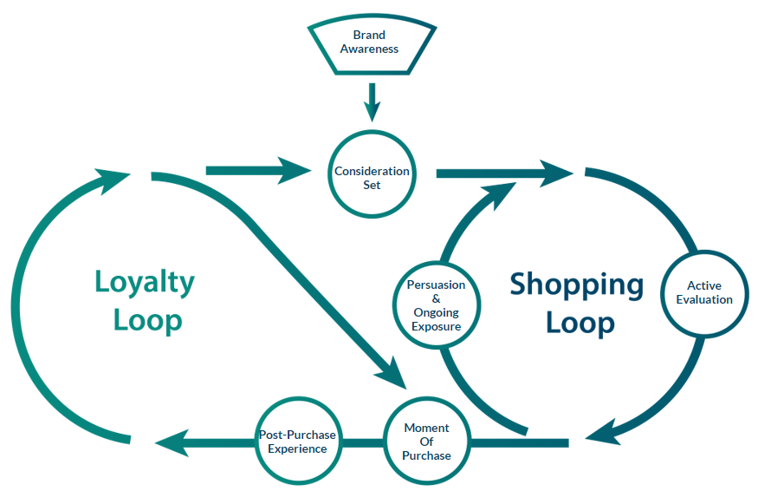
With omnichannel marketing, the focus is on the customer’s experience across all channels. This doesn’t necessarily mean your brand must be on every available platform, but it does mean the way your brand presents itself across every platform that it’s on should be consistent. The key with omnichannel is to have a core brand message that is the same on every channel.
When your messaging strategy isn’t siloed, your marketing budget doesn’t have to be siloed either. All channels contribute to your data, measurement, and ultimate business goals.
Multichannel vs. Omnichannel: The Key Difference Is Customer Experience
Today’s customer journey follows a path that may feel more like a pinball machine than a funnel. A potential customer may start by asking Google or a large language model, like ChatGPT or Perplexity, general questions about a product or service. After seeing the results, they may visit a linked (or recommended) site, or they may head to a social media platform to ask peers for opinions. They might even see a clickable advertisement on a streaming service that leads them to your product’s landing page.
The decision-making process feels more disjointed than ever, which is why ensuring your branding is consistent across channels is more important than ever. When a potential customer sees the same message everywhere, it builds trust and authority.
When the focus shifts from the channel to the customer, your key performance indicators (KPIs) should shift, too. With multichannel, a paid search team’s goal might be return on ad spend (ROAS) while an SEO team’s might be impressions or clicks. Omnichannel marketing goals can be bigger picture targets, like customer lifetime value, overall revenue, or time-to-conversion.
The Benefits of an Omnichannel vs. a Multichannel Approach
Multichannel marketing works fine for early-stage brands, limited resources, and short sales cycles, but growing and larger brands will benefit most from an omnichannel approach. Here are some examples of how:
- Higher customer retention: A seamless experience across all touchpoints fosters loyalty and encourages repeat business.
- Increased customer lifetime value (CLV): Personalized experiences lead to more frequent purchases and higher average order values.
- Enhanced personalization: Integrated data from multiple channels allows for hyper-targeted and relevant messaging.
- Improved sales and revenue: A frictionless customer journey removes barriers to purchase, leading to higher conversion rates.
- Stronger brand consistency: A unified core brand message and visual identity across all platforms builds trust and brand recognition.
- Better data and insights: A centralized view of customer interactions provides a deeper understanding of their behavior and preferences.
Considerations for Switching to Omnichannel Marketing
Implementing a successful omnichannel strategy requires the right technology. By using and connecting these categories of software your business can create a unified customer experience:
- Customer Relationship Management (CRM) System: These platforms are the information hub for your customer data and interactions across all touchpoints.
- Point of Sale (POS) System: If your business includes brick and mortar stores, connecting offline transactions to online marketing efforts provides crucial insights.
- Customer Support Records: These records allow you to understand any struggles customers may have with your products, services, and experience so that you can make adjustments and proactively educate them before the problem arises.
- Marketing Automation Platforms: These tools, including email marketing, loyalty and referral programs, and onsite personalization, help automate and personalize communication across various channels.
All the collected data needs to work in concert to provide a seamless experience, and the most sophisticated omnichannel programs use a data warehouse to clean and model it. A data warehouse is a centralized system that combines historical and current data and acts as a single source of truth for answering complex queries and making business intelligence decisions.
One Agency to Handle an Omnichannel Approach
Omnichannel marketing requires constant collaboration between teams of specialists – from SEO and CRO to paid search, programmatic, retail media and feeds. When everyone is working toward the same goal and communicating the same message to potential customers, your business wins. This is why it makes sense to hire a single digital agency to create and execute your omnichannel strategy. To learn how ROI Revolution can help you get started, book a meeting with our team.